
Selling a home involves a long stretch where strangers are walking through your front door on a regular basis. Real estate agents, prospective buyers, inspectors, appraisers, contractors doing last-minute repairs. For most Asheville homeowners, that level of open access is unlike anything they’ve experienced while actually living there, and it creates a set of security concerns that don’t get talked about nearly enough.
Here’s what to think through from the time your home goes on the market until the day you hand over the keys.
Lockboxes and Who Has Access to Yours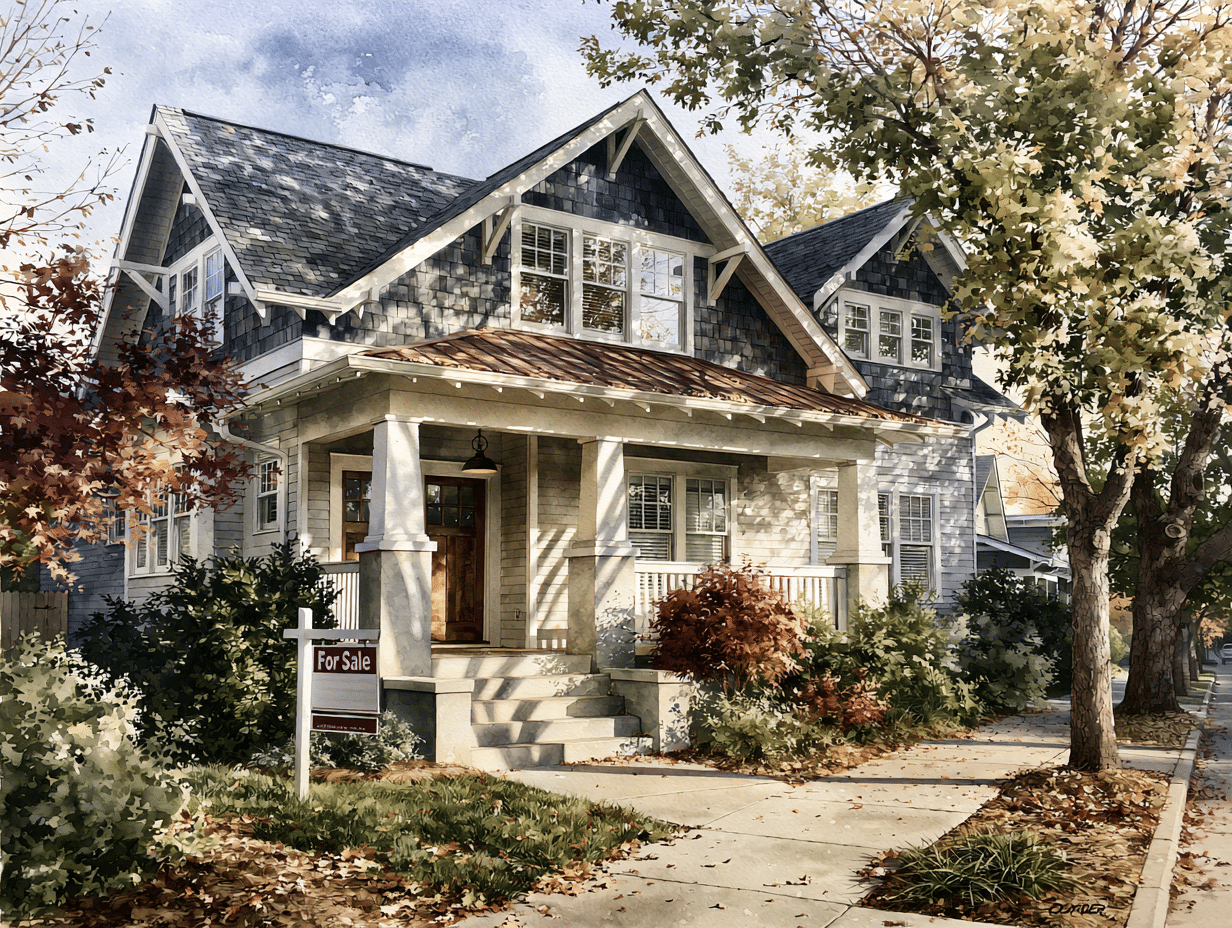
The lockbox attached to your door handle is one of the first things to pay attention to. Many listing agents use a basic combination lockbox, which means anyone who learns the code can open it, with no way to track who has been inside or when.
If your agent uses an electronic lockbox tied to a realtor association system, that’s a meaningful upgrade. Those systems log every access by agent, timestamp, and can alert you when someone opens the box. If you have the option to request one, it’s worth doing.
Wherever the lockbox goes, keep it away from a back door or gate that’s not easily visible from the street. A lockbox on an isolated side entrance gives someone easy, low-visibility access to your home. The front door, visible from the sidewalk and from neighboring properties, is almost always the better placement.
What to Do with Your Spare Keys During the Listing Period
Before your home goes on the market, think about how many spare keys exist and where they are. That includes any keys left with neighbors for emergencies, any copies made for previous houseguests, and anything that might be stored somewhere obvious like under a mat or in a magnetic box near the garage.
While your home is actively listed and being shown, the safest approach is to account for every key and keep the count tight. You don’t need to hand out keys broadly. If a contractor needs access for repairs before closing, meet them there or coordinate with your agent rather than distributing extra copies.
Valuables and the “This Is a Showing, Not a Move-Out” Mindset
When a stranger tours your home, your attention is typically elsewhere. That’s exactly why anything with value or personal sensitivity needs to be secured before showings start, not just occasionally, but every time.
Jewelry, prescription medications, financial documents, firearms, passports, laptops. These things should be out of plain sight and ideally not in the home at all during showing periods. A small, secured lockbox or a safe in a discreet location handles this well. If you don’t have one, this is a good reason to get one. We carry safes at our Asheville shop and can help you find a size and type that fits what you need to secure.
It’s not that everyone touring your home is dishonest. It’s that a listing can attract a lot of foot traffic from a lot of different people, and the odds that every single person who walks through has good intentions are simply not guaranteed.
If Your Home Sits Vacant Before Closing
Homes that go vacant before closing, because the sellers have already moved out, are more exposed than occupied ones. An empty home has no one watching the comings and goings, no lights turning on at different times, and no car in the driveway signaling someone is home.
If your Asheville home will be vacant during any part of the selling period, a few things help. Timers on interior lights create the appearance of occupancy. Continued mail and package collection, or a mail hold, keeps the exterior from looking neglected. Neighbors who know the home is empty and will call if something looks off are genuinely useful.
Check that all windows and secondary doors lock properly before you move out. A lot of older homes in Asheville, particularly in neighborhoods like Kenilworth, Albemarle Park, or the West Asheville bungalow corridors, have older hardware on windows and side entries that gets overlooked. This is a good time to get those sorted.
The Final Walkthrough and Key Handoff
At closing, you hand over the keys you have. What you may not think about is whether that set actually reflects every key in circulation. If a locksmith cut a spare set two years ago that was later lost, or a family member still has a copy somewhere, the buyer isn’t getting a complete handoff.
The cleanest solution, and the one that gives a new buyer genuine peace of mind, is to rekey the locks as part of the sale process. Some sellers handle this themselves before closing so they can truthfully represent that the locks have been freshly keyed and the keys handed over are the only ones that work. Others negotiate it as part of the closing terms.
If you’re not doing a full rekey, at minimum be honest with your buyer about the key history. Most buyers who’ve done their homework will plan to rekey anyway, but giving them that context helps everyone start the transaction cleanly.
We handle rekeying throughout Asheville and Western North Carolina, and we can work around your closing timeline if you want to get this done before handing over the property. It’s quick, affordable, and removes a genuine question mark from the handoff.
Locks That Are Visibly Worn or Outdated
Buyers and their agents notice things. A deadbolt that wobbles when touched, a doorknob that sticks, a strike plate hanging by one screw. These details don’t just raise security concerns, they signal deferred maintenance to a buyer who’s already scrutinizing everything.
Before your home goes on the market, spend twenty minutes testing every exterior lock on the property. Check the front door, back door, garage entry, and any gate locks. If something doesn’t feel right, get it looked at. A minor repair before listing is far cheaper than a buyer asking for a credit after an inspection flags it.
Neighborhood Awareness During the Selling Period
Asheville neighborhoods are generally connected communities, and that’s actually an asset when you’re selling. Let nearby neighbors know your home will be actively shown. Ask them to keep an eye out for anything that seems off between scheduled showings. A car parked in front of the house at an unusual hour, or someone around the property when no showing is scheduled, is worth a call.
This is especially useful in more residential pockets like North Asheville, Chunns Cove, or the quieter streets off Merrimon Avenue, where neighbors tend to know each other and can spot something out of the ordinary quickly.
After the Sale: Closing Out Your Own Access
Once closing is complete and the property changes hands, you should no longer have working access to it. This sounds obvious, but if you had a keypad lock programmed with a code, a garage door opener, or any kind of digital access credential, make sure all of those are cleared before or at closing.
A garage door opener that you forgot to hand over, or a keypad code the buyer doesn’t know you still remember, creates an awkward situation at best and a real problem at worst. Walk through every access method and make sure it’s been handed over or deactivated.
Selling a home is a busy, stressful process, and security doesn’t always make the top of the priority list. But the stakes are real while your home is on the market, and a little attention to this side of things protects both you and the person you’re selling to.
A.L. Odom Locksmiths is a family-owned, brick-and-mortar shop at 1240 Brevard Rd, Suite 4, Asheville, NC 28806. We’re available for rekeying, lock evaluation, safe sales, and any security questions that come up during the selling process. Call us at (828) 274-6613. We serve Asheville, Hendersonville, Weaverville, Burnsville, Waynesville, Fletcher, Arden, Marshall, Spruce Pine, and surrounding communities throughout Western North Carolina.